5 Axis

High-Precision 5-Axis CNC Machining Solutions
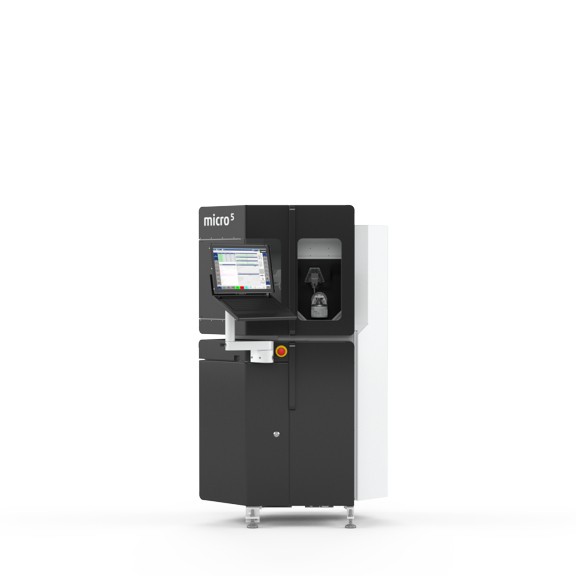
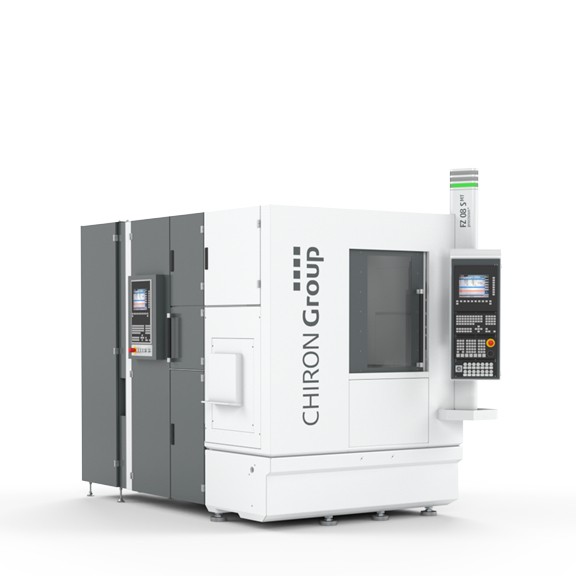
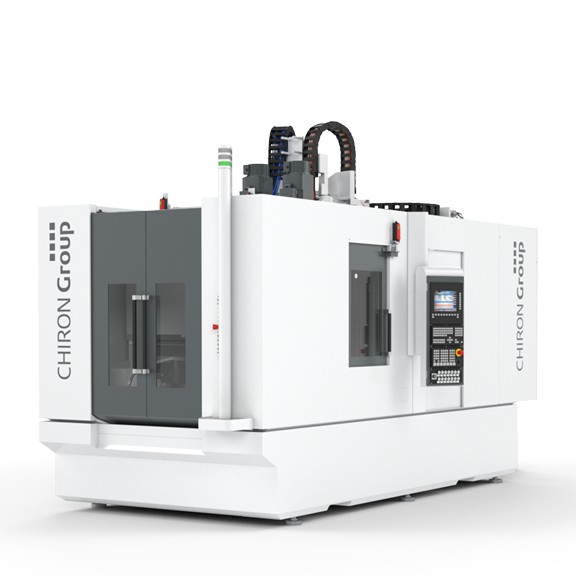
5-axis machining by CHIRON Group stands out for its precision, flexibility, and efficiency, making it ideal for producing complex, high-tolerance components in industries like Medical Technology, Precision Technology, Aerospace, Automotive, and others. 5-axis machines from CHIRON Group allow rotational positioning movement as well as simultaneous movement along all axes, enabling intricate geometries to be machined in a single setup. This reduces handling time, increases accuracy, and improves surface finish. At the CHIRON Group, we integrate high-power or high-speed spindles, dynamic gantry designs, and advanced control systems to ensure optimal cutting conditions and minimal cycle times. Our approach combines engineering precision with customizable automation solutions, ensuring each 5-axis machining center delivers maximum productivity with consistent quality.
What are the Benefits of 5-Axis Machining?
It enables full workpiece machining in one setup which eliminates re-clamping errors
The tolerances of workpieces are often interlinked and must therefore be manufactured in a single clamping.
Machine intricate geometries in one go, no need to reposition
Achieve tighter tolerances and flawless surface finishes
Shorten production times with fewer manual steps
Smart software ensures precision, repeatability, and process reliability
Automation solutions in combination with zero point clamping systems ensure a high flexibility
Unlock unmatched precision and productivity with our 5-axis machining centers
Designed for dynamic movements with combinations of AC, BC, or AB axes.
Tackle complex workpieces in a single setup, slash cycle times, and achieve flawless surface finishes.
When performance and precision matters, CHIRON Group delivers.

What Type of 5 Axis Machining Technology Options do we offer?
AC - Rotation
"A" rotates around the X-axis in the coordinate system
"C" rotates around the Z-axis in the coordinate system
In this Live Milling video, you can see simultaneous 5 Axis Machining
All the 5 axis move in one singular motion to machine the part
BC - Rotation
"B" rotates around the Y-axis in the coordinate system
"C" rotates around the Z-axis in the coordinate system
In this Live Milling video, you can see 3+2, 5 Axis Machining
3 Axis are linear and the other 2 are rotational axis
(also available with 5 Axis simultaneous machining)
AB - Rotation
"A" rotates around the X-axis in the coordinate system
"B" rotates around the Y-axis in the coordinate system
It maintains high precision by keeping optimal tool angles
It easily handles complex curves and undercuts
Frequently Asked Questions:
What is the difference between 3+2, 4+1 or 5 axis simultaneous Five Axis Machining?
It describes the number of axes which can move simultaneously during machining operations. Using a 3+2 solution means during machining the 3 linear axes can move at the same time e.g. for milling operations, while the rotational axes stay in position. During positioning the 3 linear axes and the 2 rotational axes can move towards their programmed position. With a 4+1 machine the 3 linear axes + 1 rotational axis can move simultaneous. With a 5 axis simultaneous machine all 5 axis can move at the same time.
What materials can be machined with 5-axis CNC Machine?
5-axis CNC machines can machine a wide range of materials, including various metals, plastics, and composites. Commonly machined materials include aluminum, stainless steel, titanium, and various plastics.
What industries use 5-axis CNC machining?
5-axis CNC machining is used across various industries, some key industries are, Medical Technology, Precision Technology, Aerospace, and Automotive. Due to their flexibility they are also frequently used by job shops.
What tolerances can be achieved with 5-axis CNC machining?
5-axis CNC machining can achieve incredibly tight tolerances, but it is depending on several factors, like: machine construction, stiffness, steady temperature, vibrations, etc.
Is 5-axis CNC machining more expensive than 3-axis machining?
Yes, 5-axis CNC machining is generally more expensive than 3-axis machining. Nonetheless, in regards to quality or flexibility the 5 axis machine outpaces the 3 axis machine. If the workpiece is clamped once, it leads to higher quality due to less clamping errors. Further, orientation tolerances are easier to achieve with single clamping than multiple clamping. There is orientation tolerances that can only be achieved with 5 axis machining. In general, a 5 axis machine can manufacture a wider range of workpieces.
»Optimize Complexity: 5-Axis Simultaneous Machining for Maximum Efficiency«